
Garment care and repair
Garment care, repair and re-listing
Reported repair success rate 90% across nine specialist areas
The service has six repair categories across nine specialist areas. Each completed item receives a second inspection and proceeds under customer-approved standards.
Assess repair requirementsIssue directory
Which issues need handling for this batch?
The handling method is confirmed against material, brand requirements and re-inspection rules.
Spot cleaning
Use the relevant equipment and method for confirmed stains, rust marks, oil marks or collar yellowing; material characteristics and re-inspection govern the outcome.
Fabric repair
Pilling, snagging and holes enter the relevant repair workflow. The method is assessed against material and customer standards, then rechecked.
Stitch repair
Repair broken thread, seam opening and skipped stitches around the item thread colour and process requirements, then recheck against customer standards.
Accessory repair
Treat confirmed accessory issues such as missing stones. Parts are supplied or confirmed by the brand and the result is rechecked as agreed.
Footwear repair
Confirmed issues such as sole separation enter the footwear repair area and receive a second inspection after the agreed treatment.
Labels and odour handling
Check inconsistent tags or labels and treat damp odour, then route the item under the customer-approved standard.
Specialist workstations
Use the workstation that fits the required treatment.
Cleaning, stitching and finishing are arranged around material characteristics and brand standards.
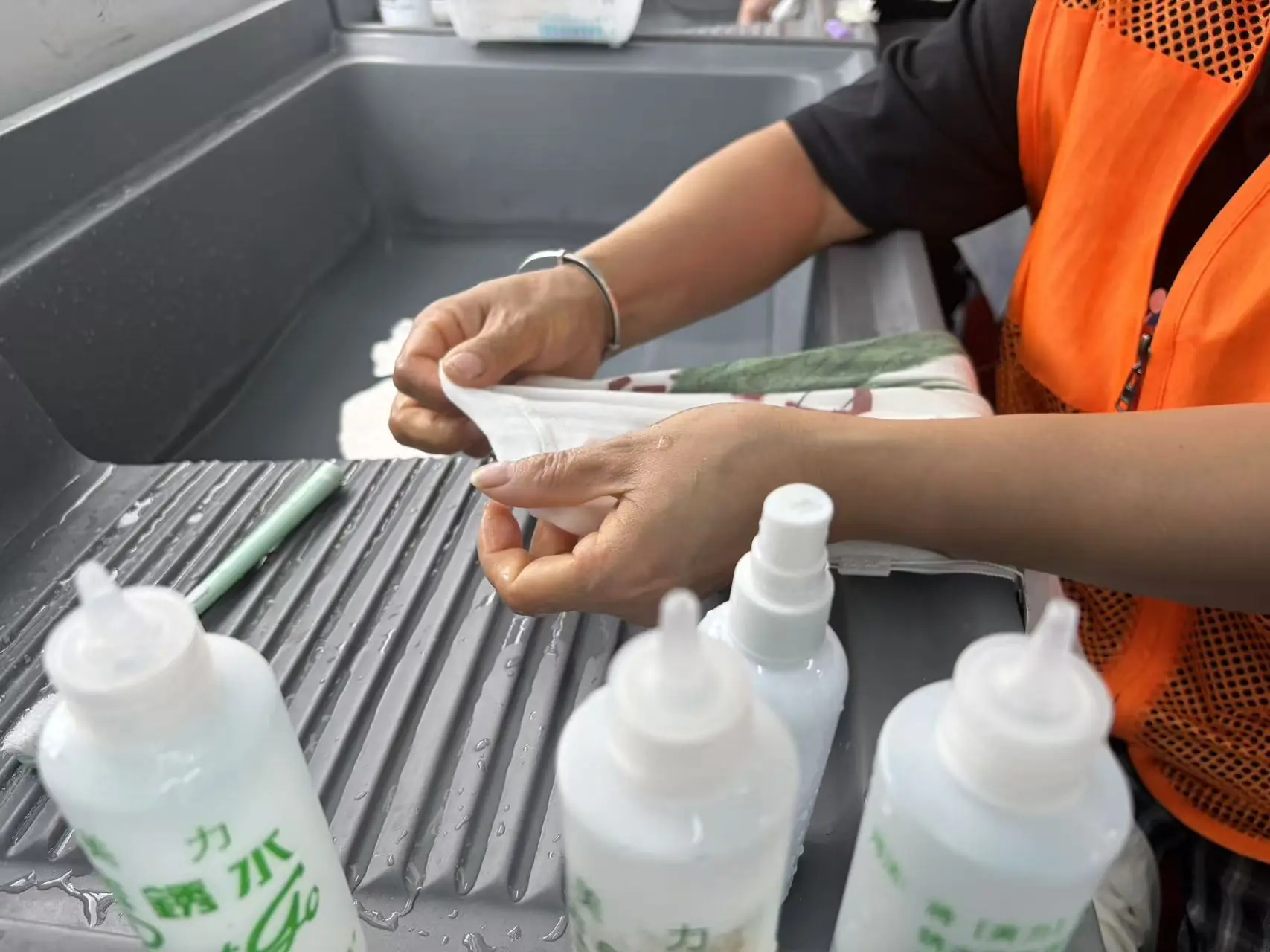
ZONE 04
Spot-cleaning workstation
Treatment is controlled around material characteristics; the re-inspection result governs.
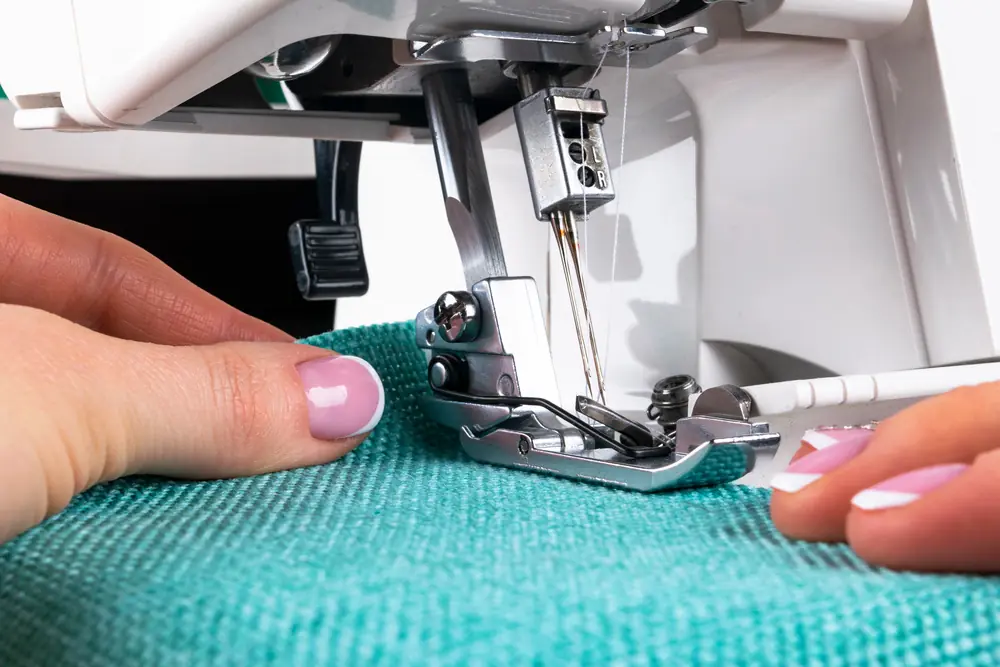
ZONE 06
Stitch-repair workstation
Thread colour and process requirements are confirmed before handling.
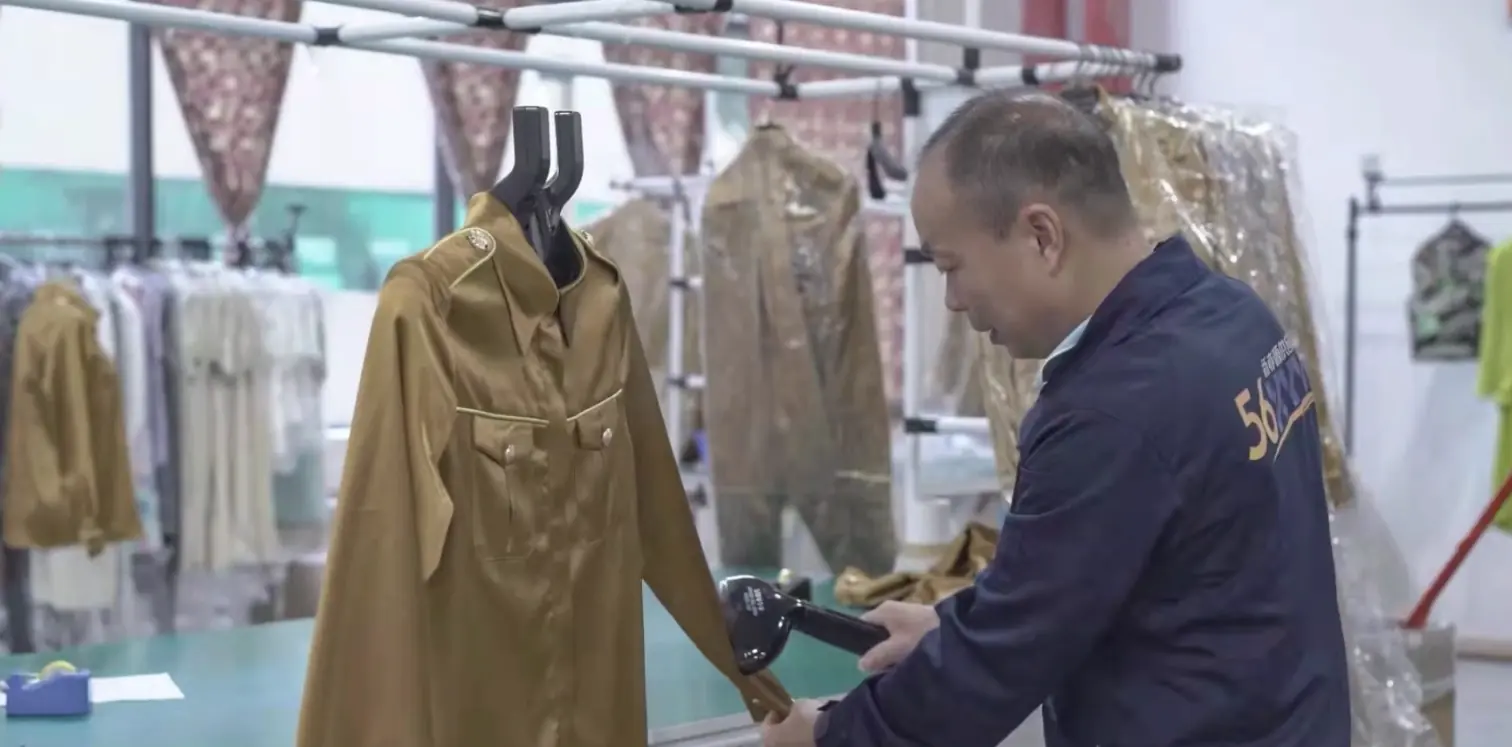
ZONE 02
Pressing workstation
Completed items are rechecked against the brand-approved standard.
From assessment to delivery
A repaired item still has to meet the brand standard.
01
Inspection routing
Identify the issue and enter the relevant handling flow under customer rules02
Process assessment
Confirm a handling method using material, issue type and acceptance rules03
Specialist repair
Route the work order to the relevant workstation and record key status04
Re-inspection
Recheck against the brand-approved standard before the next authorised step
Enter the agreed re-listing or authorised next step.
Continue handling or route as agreed.
Data and evidence
Repair results use a stated measurement basis.
Nine specialist repair areas. This is the share of items entering repair that reach the brand-agreed listing grade after treatment and re-inspection; it is not a guarantee for every batch.
- 135+ types
- Recognisable issue typesSeven issue categories in scope
- 24 hours
- Inspection and re-listingOverall workflow
- 153,000,000 units
- Annual returns-inspection volumeCompany operating statistic
For apparel and footwear brands needing returns grading, repair and reuse. The reported repair success rate is 90%; conditions are tailored to the customer sales channel.
FAQ and consultation
Prepare these details before assessment.
Which services are included in garment care and repair?
The service covers six repair types in nine specialist areas, including cleaning, fabric and stitch repair, accessories, footwear, labels and odour handling. Each completed item receives a second inspection under customer-approved standards.
What is the reported repair success rate?
The company operating statistic is 90%: the share of items entering repair that reach the brand-agreed listing grade after treatment and re-inspection. It is not a guarantee for each item or batch.
How do garment care and returns inspection work together?
Returns inspection identifies issues and may use A, B+, B- and C routing. Items requiring treatment can enter repair, then receive a second inspection within the 24 hours workflow; rules are agreed by the customer.
Can high-value silk, down or fur garments be repaired?
Material, issue type and brand rules are assessed first. The process, risk and acceptance rules are agreed with the brand; items unsuitable for in-warehouse repair are routed as authorised.
Who assures quality after repair?
The item must pass a second inspection against the brand-approved standard before re-listing. Projects can use AQL sampling and A, B+, B- and C routing; key records can support agreed traceability.